
Performance deserves scrutiny. Personality does not. Cricket has room for silence as much as sound.
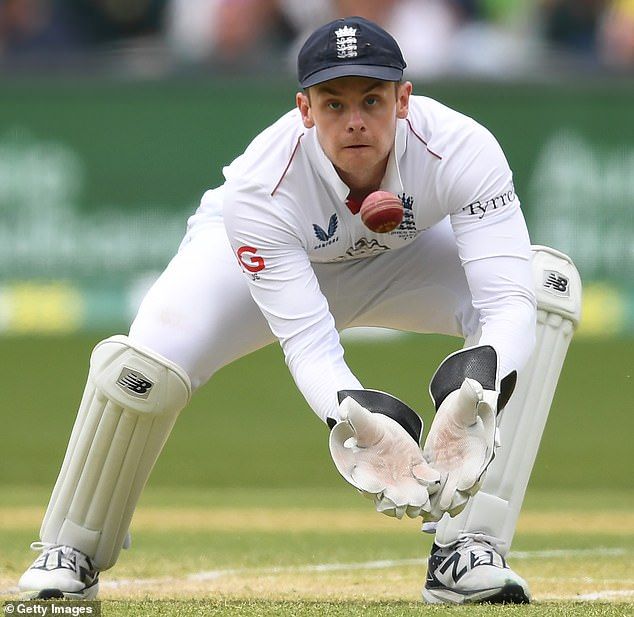
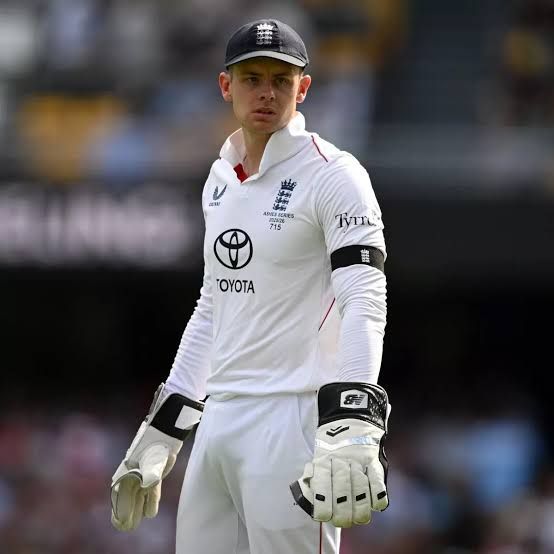
Mark Butcher’s suggestion in the Wisden cricket podcast that Jamie Smith was “too introverted” to be a Test wicketkeeper during the Ashes is not only unconvincing, it is deeply misplaced.
Let’s be clear first: Jamie Smith did not have a good series. He made several mistakes with the bat, some of his dismissals were unacceptable at Test level, and he appeared to bat without the responsibility demanded by the format. There were moments with the gloves too that fell short. He has been fairly criticised for his performance, and that scrutiny is entirely justified.
But to attribute those failures to his being quiet or introverted is baffling and frankly offensive.
Cricket demands skill, temperament, and execution. It does not demand performative extroversion. A batter is judged on how he bats, a keeper on how he keeps, not on how loudly he speaks or how theatrically he expresses himself. Nowhere in the MCC coaching manuals does it state that a cricketer must be vocal to succeed.
History alone dismantles this argument. Some of the finest cricketers to play the game barely said a word on the field, Alastair Cook, Rahul Dravid, Hashim Amla, Kane Williamson.
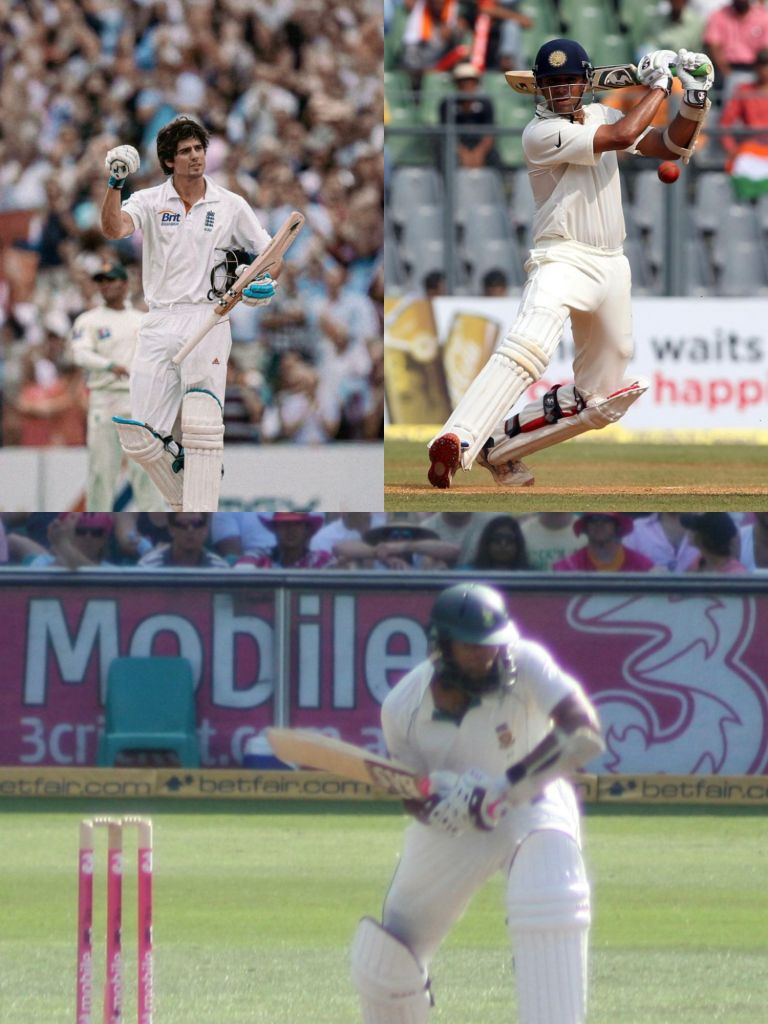
England’s Alastair Cook celebrates reaching his century against Pakistan on Day 3 of the third Test at The Oval in August 2010. (Top left)
Hashim Amla of South Africa flicks the ball toward the leg side during his record-breaking innings against Australia at the Gabba in November 2012. (Bottom)
Image credit: © BCCI / Getty Images/ Morne de Klerk/ Julian Herbert/ Official broadcasters / Accredited media
Even among wicketkeepers, BJ Watling and Alex Carey were never defined by noise but by competence. The list goes on.
To claim that bowlers bowled poorly because their keeper “lacked energy” is absolute nonsense. Poor bowling is poor bowling. Responsibility cannot be outsourced to personality traits.

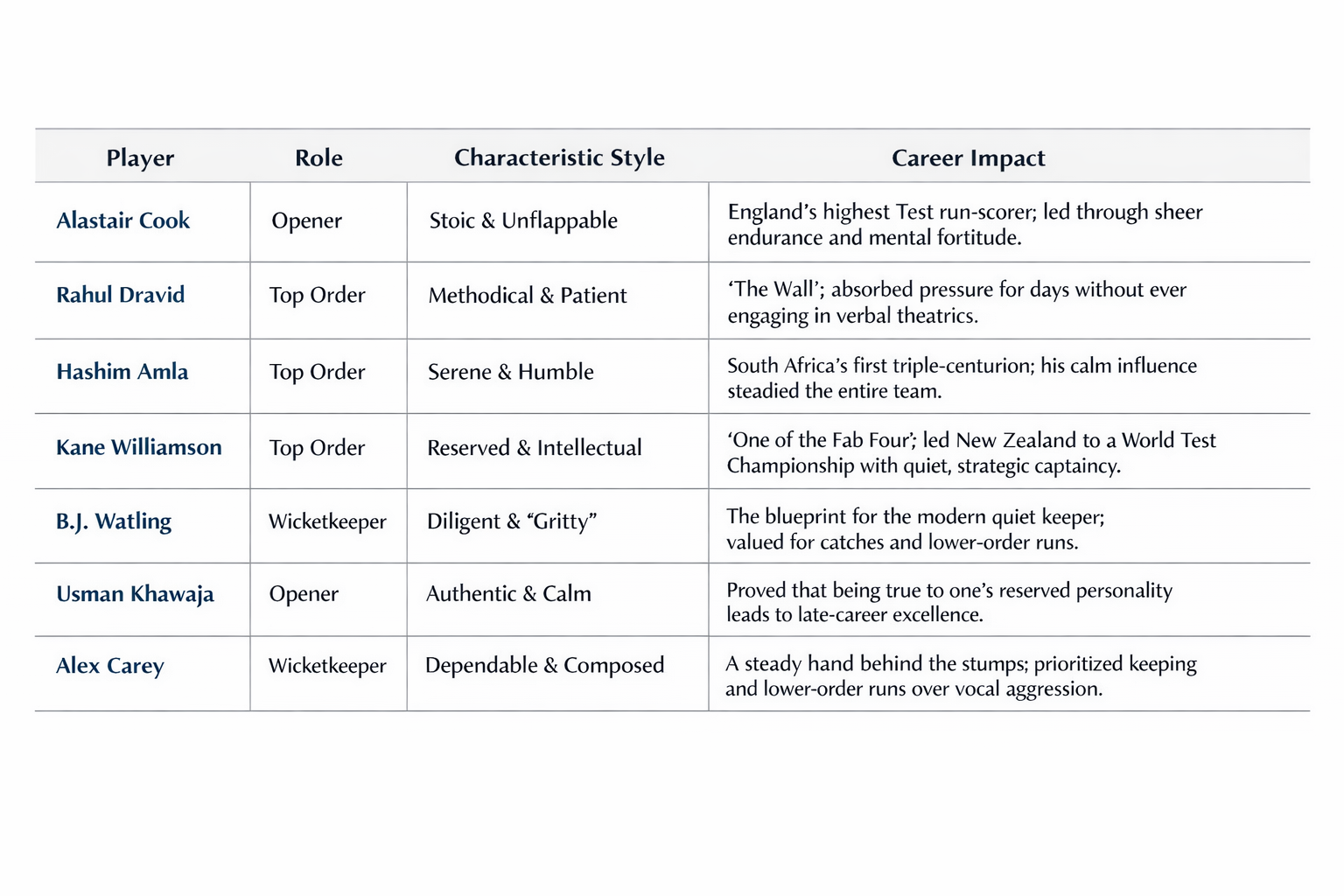
In fact, Jamie Smith deserves credit for not performing for cameras amid the noise. In an era obsessed with optics, restraint itself is a form of strength.
Cricket often speaks about inclusivity, rightly so. Usman Khawaja articulated this powerfully in his final Test. But inclusivity cannot stop at gender, race, or religion. It must extend to respecting emotional identities as well. There must be space in this game for the quiet, the introverted, the expressive, and the reserved alike.
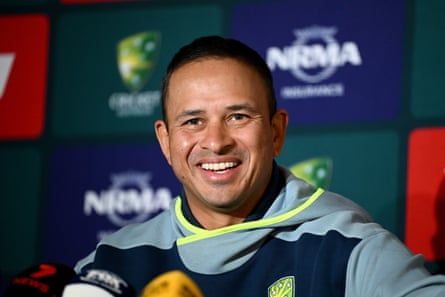
Photograph: Dan Himbrechts/AAP
Criticise performances. Demand improvement. But do not confuse volume with value.
Cricket is a game for everyone.
 Leather&Willow Blogs
Leave a comment